Websites for restaurants
Make choosing dinner the easy part.
Give guests a feel for the food, the room and the occasion. Then put the menu and table booking exactly where they need them.
Get your free demo
Before you ever meet
They’re comparing.
Give them a reason to choose you.
A group choosing where to eat is often comparing menus on their phones. If yours is hard to read, out of date or separated from the booking link, another restaurant can get the reservation.
An unanswered question can send a whole table elsewhere. Put the details that help a group say yes within easy reach.
You know the quality of your service. A new visitor has your photographs, your information and what others say about you to go on. Your website needs to make that quality clear while they are deciding.
Help them choose you.
See how a stronger first impression, useful answers and an easier next step turn online interest into a conversation.
They’re comparing you right now
One customer.A dozenopen tabs.
 Who’s worth contacting?
Get into the conversation
Get found.Give them areason to stay.
Dress to impress
Better service.But do theyknow that?
The decision in their head
Make choosingyou feelobvious.
Look through their eyes
Would youchoose yourbusiness?
Turn interest into action
One question.Then a clearway to book.
Busy doing great work
You’re witha client.They’re calling.
Give their interest somewhere to go
Answers now.A humanfollow-up.
The opportunities you never see
No enquiry.No notification.A real cost.
What could a year of missed bookings cost?
One missedcustomer.Again. And again.
And that’s only the first booking
Great workshouldn’t beundersold.
A better website is within reach
A smallerinvestmentthan you think.
See what you’re buying
Don’t buya promise.See the work.
Your free working prototype
Your business.Broughtto life.
 A working prototype. Free.38° South Charters · design proposal
Confidence before commitment
Love thedirection?Let’s build it.
See it. Love it. Then commit.38° South Charters · design proposalLet’s do your business justice
Show usyour website.
Sound on by default. Mute to follow with subtitles.
Read the pitch 4:16
They’re comparing you right now
Your next customer could be looking at your website right now, with a dozen other options open beside it. They’re shopping around, reading reviews and trying to decide who’s worth contacting. You know how good your service is. They don’t. And they’re not going to work hard to find out.
Get into the conversation
Getting found through Google, maps or AI gets you into the conversation. What happens next decides whether you stay in it. You’ve got a few seconds to give someone a reason to keep looking. If your site feels slow, dated or confusing, the next option is already open in another tab.
Dress to impress
That’s the frustrating part: you could offer a better service and still lose the customer. Because they can’t judge the experience they haven’t had. They’re judging the photos, the reviews, the information and how confidently you answer the questions in their head.
The decision in their head
“Can you help someone like me? What will this be like? Why should I choose you?” If your competitor makes those answers clear and you don’t, you can lose the booking before you ever know there was an opportunity.
Look through their eyes
So look at your website as if you knew nothing about your business. Does it make you want to book? Can you see the quality and picture yourself having a great experience? Or are you left hunting for information and wondering whether somewhere else might be better? That gap between how good your service is and how good it looks online can be expensive.
Turn interest into action
And sometimes, the person is almost there. They like what they see, but there’s one thing they need to know before they commit. That question needs an answer, followed by a clear, easy way to book. Every confusing step gives them another reason to put it off—or try someone else.
Busy doing great work
But you can’t always answer. You’re with a client, on the tools or out on the water. The phone rings, you miss it, and by the time you call back, they may already be booked in somewhere else. You were busy delivering the very service they wanted. They just couldn’t get the help they needed when they were ready to buy.
Give their interest somewhere to go
That’s where your website should be doing more for you. Clear information answers the obvious questions. A website assistant helps with the everyday enquiries and points people towards booking. When someone needs you personally, it collects their details so you can follow up with the conversation already started. You’re giving their interest somewhere to go while you’re busy.
The opportunities you never see
The trouble is, you don’t get a notification when someone gives up on your website and books somewhere else. You just never hear from them. But those missed opportunities add up.
What could a year of missed bookings cost?
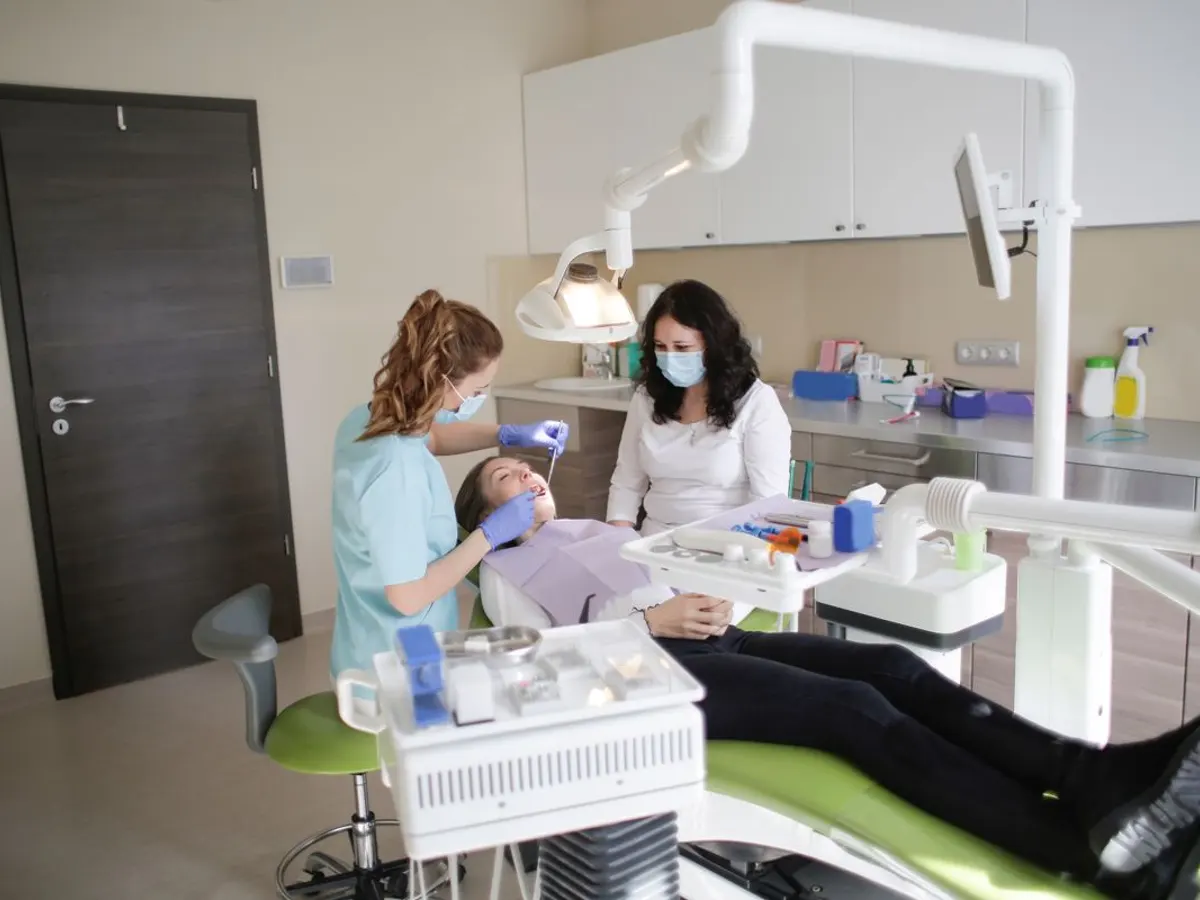
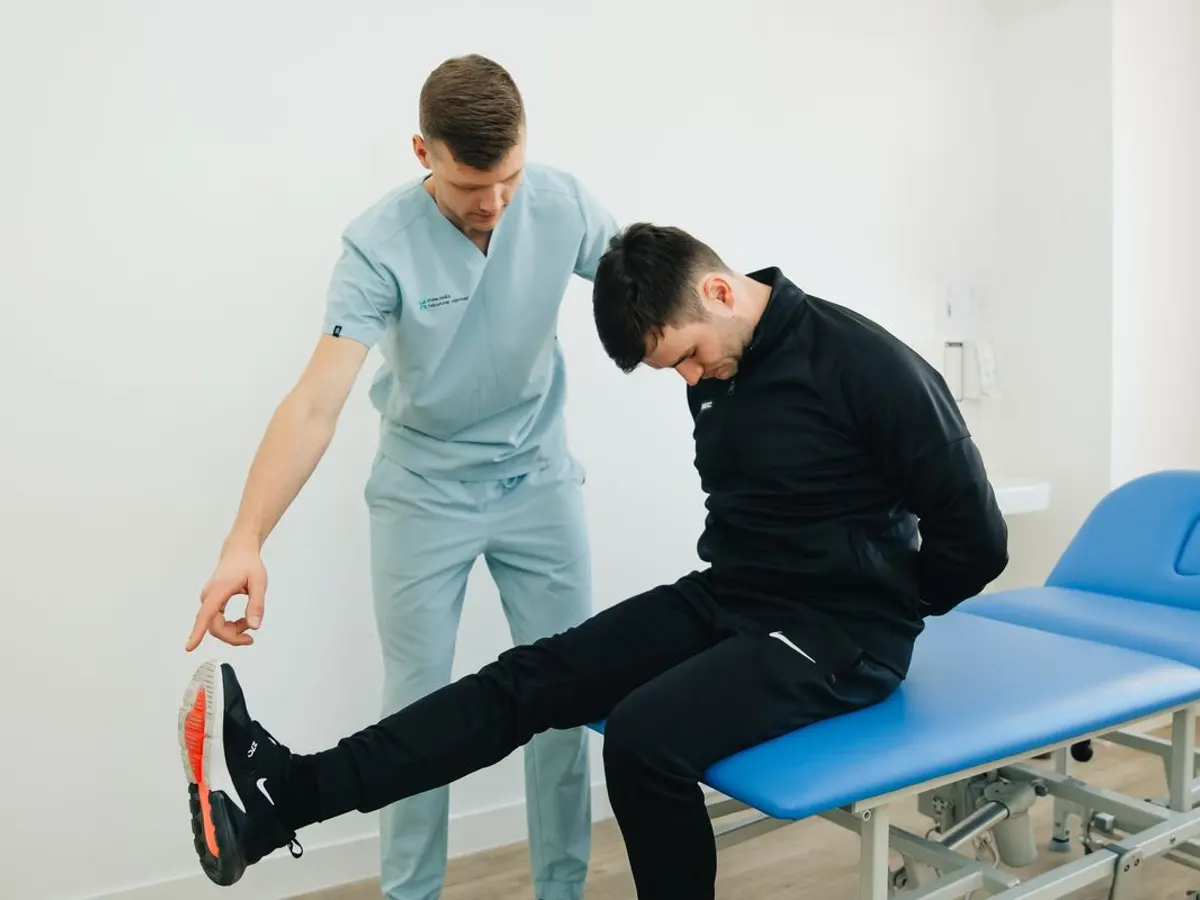
If you run fishing charters, a family of three could represent a four-hundred-and-fifty-dollar booking. If just one family a week chooses someone else, that’s more than twenty-three thousand dollars in potential revenue over a year. For a dental practice, one patient needing a two-thousand-dollar crown each month represents twenty-four thousand dollars a year. Or take a physio patient who needs an initial assessment and seven follow-up appointments. At around eight hundred dollars across those visits, missing one new patient a month puts close to ten thousand dollars a year in potential revenue elsewhere.
And that’s only the first booking
And that’s only the work we’ve counted. It doesn’t include future appointments, repeat bookings or the people a happy customer might recommend you to. You’ve put too much into your business for your website to quietly undersell it.
A better website is within reach
And improving it doesn’t have to mean spending thousands. A straightforward small-business website can cost less than a thousand dollars to build. More pages or specialised features can change the price, but you don’t necessarily need a big, complicated website. You need one that makes people confident about choosing you. When a new customer can be worth hundreds—or thousands—of dollars, it’s worth asking what leaving your website as it is could be costing you.
See what you’re buying
Of course, there’s another reason people put this off. Buying a website can feel like paying for something you haven’t seen, from someone who says they understand your business. We think you should be able to see that for yourself.
Your free working prototype
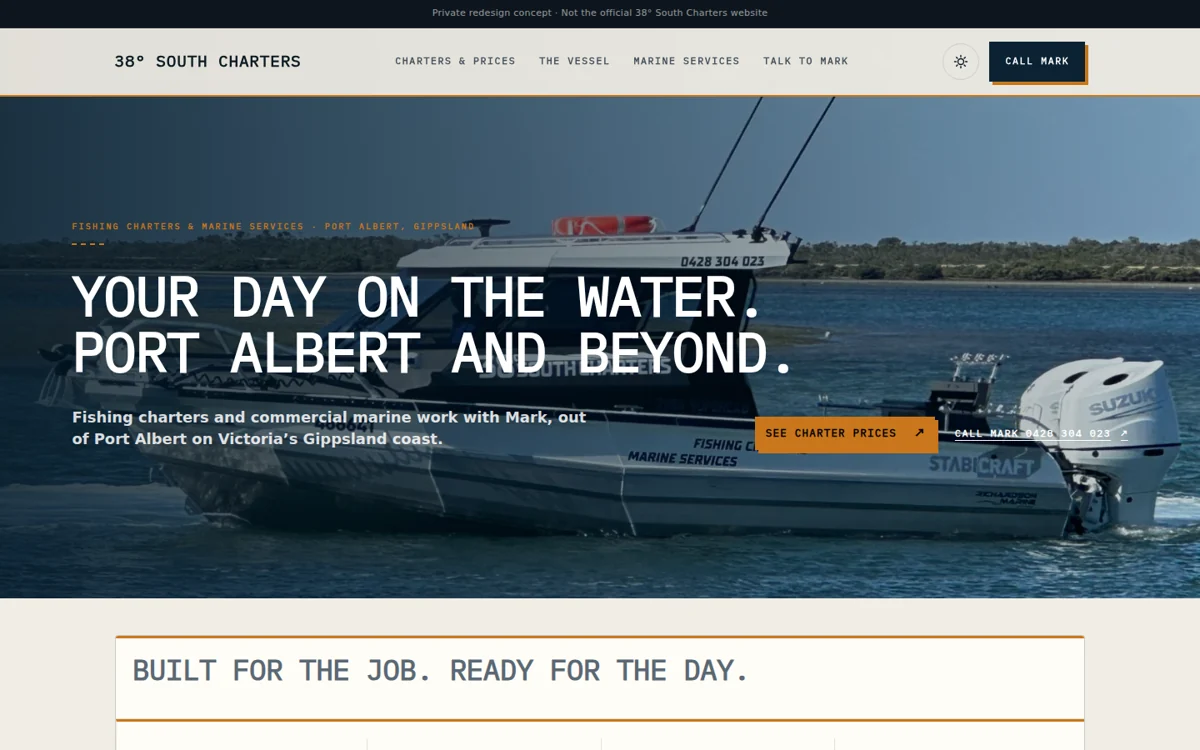
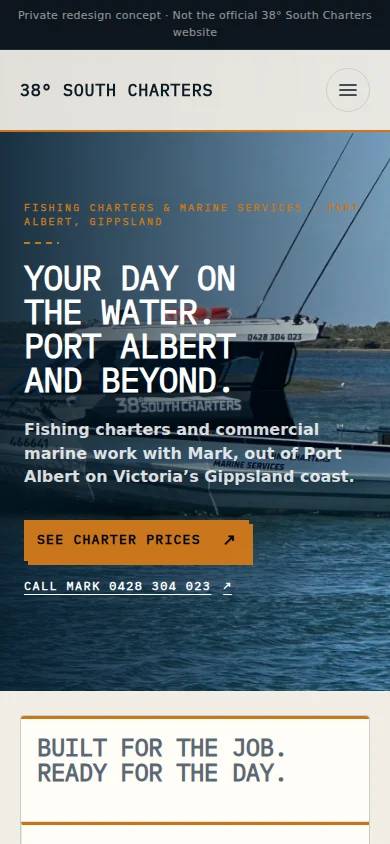
So before you commit to the build, we’ll put together a free working prototype. You can click through it, see how we present your services and judge whether we’ve understood what makes your business worth choosing. You’re not trying to imagine what we might deliver. You’re looking at something we’ve built for you.
Confidence before commitment
If you love the direction, we’ll agree the scope and develop it into the finished website together. If we haven’t shown you something you’re excited about, you’re under no obligation to go ahead. We’re confident we can make your business look much stronger online—and we’re happy to demonstrate that before asking you to buy.
Let’s do your business justice
If your website isn’t doing your business justice, send us the link. We’ll take a look, talk about what you need and show you how we’d improve it. Click below to organise your no-obligation assessment and free working prototype.
Revenue examples use published provider fees, not national averages: fishing charter ($150 per person), dental crown ($1,500–$3,000 range; $2,000 assumed), and physio ($120 initial + seven $100 visits). Booking frequency and visit count are illustrative assumptions. Gross fees before rebates; not profit, clinical advice or a forecast.
See your free demo ↗︎What we build around
A stronger first impression.
A clearer way forward.
Get found by the right people.
Keep cuisine, location, opening hours and menus accessible to search engines and AI assistants, with a fast mobile experience for people deciding where to eat now.
Make your quality visible.
Show the actual dishes and dining room, with a readable menu and clear information about the experience. Help someone judge whether you suit a quick dinner, a celebration or a larger group.
Make the next step easy.
Connect guests to the existing reservation system and make group enquiries distinct from ordinary table bookings. Explain deposits or seating arrangements where they apply.
Keep interest moving while you’re busy.
During service, your site can answer opening-hours and booking questions. More specific requests can reach the team with a date, party size and contact details already attached.
The questions before the decision
One missing answer
can stop the enquiry.
Build the answers into your pages. Then give someone a useful next step when their question needs a conversation.
- Can I see the current menu and prices?
- How do you handle larger groups or private dining?
- Who can answer a dietary or access question?
Good questions deserve a quick answer.
Let visitors type or talk to your website about your services, prices and practical details. We prepare the information with you, test the answers and keep it up to date. When someone needs your team, the assistant collects their details and conversation for a useful callback.
Text from $15 AUD/month, or voice and text from $29 AUD/month, plus $29 setup. An optional addition to your website and ongoing care.
Explore website conversation agents ↗︎See it before you buy it
Your business.
A working prototype.
No obligation.
You should not have to imagine whether we understand your business. We’ll show you a free working prototype so you can click through the direction before committing to the build.
A better website can be a straightforward investment.
A straightforward small-business website can cost less than $1,000 AUD to build. Page count, integrations and specialised features change the scope; ongoing care is priced separately. We agree the details before you commit.
The point is to remove the gaps that lose interested visitors: unclear information, an unconvincing first impression or a next step that is harder than it needs to be.
- 01 Share your current website and the enquiries you want.
- 02 Explore your free working prototype and tell us what you think.
- 03 If the direction feels right, agree the scope and build it together.
Does your website do your business justice?
Send us your current site. We’ll look at the customer journey, discuss what matters for your business and show you a free working prototype. No obligation to go ahead.